
South Asian Wedding Photography Styles: The 2026 Luxury Guide
Did you know that over 70% of couples now fund their own celebrations, giving them the ultimate power to redefine how their heritage is documented? With the Indian wedding industry valued at approximately $130 billion in 2026, selecting the right South Asian wedding photography styles has become the most critical design decision you'll make for your multi-day event. It's more than just picking a person with a camera. It's about choosing the lens through which your family history will be viewed for generations.
You likely feel the pressure to balance tradition with modern aesthetics. It's common to worry that trendy, desaturated filters might wash out the vibrant jewel tones of your Sangeet or that you'll feel stiff and awkward during your portraits. This guide will help you master the visual language of luxury weddings to ensure your heritage is preserved beautifully. You'll gain the vocabulary needed to communicate with your creative team and the confidence to ensure a cohesive look from your engagement session to your final reception exit. We'll explore the 2026 trends in wedding cinematography and photography, helping you blend editorial precision with authentic, documentary soul.
Key Takeaways
Differentiate between documentary and editorial shooting philosophies to find the perfect balance of candid moments and polished, high-fashion portraits.
Master the vocabulary of South Asian wedding photography styles to ensure your vibrant cultural colors are preserved with intentionality and precision.
Learn how to adapt your visual aesthetic to different environments, ensuring a cohesive look across 3-5 days of diverse venues and lighting conditions.
Discover how to align your pre-wedding shoots and engagement sessions with your wedding cinematography to create a seamless, narrative-driven family legacy.
Gain a clear framework for choosing your photography style based on the specific scale and logistics of a multi-day luxury itinerary.
Table of Contents
Beyond the Lens: Defining South Asian Wedding Photography Styles in 2026
When you begin exploring South Asian wedding photography styles, it's easy to get lost in a sea of social media hashtags and Pinterest boards. However, true style isn't just a single filter or a specific pose. It's the deliberate intersection of a photographer's artistic vision and their technical execution. In 2026, the luxury market has moved decisively away from simple event documentation. High-end celebrations now prioritize narrative storytelling, where every frame contributes to a larger, cinematic arc. This storytelling approach serves as the essential foundation for a cohesive luxury wedding cinematography experience, ensuring the stills and the film feel like two chapters of the same book.
Understanding the cultural context of weddings in India is vital for any creative team. The rituals aren't just photo opportunities; they're milestones with deep emotional weight and centuries of history. Documentation simply proves an event happened. Narrative storytelling, however, captures the "why" behind the "what." It looks for the tension in a groom's hands before the Baraat or the quiet reflection of a bride during her Haldi. This depth is what separates a standard gallery from a luxury visual experience that resonates for decades.
Shooting Styles vs. Editing Styles: The Crucial Distinction
Many couples confuse how a photographer works with how the final photos look. It's helpful to break these down into two distinct categories:
Shooting Style: This is the photographer's behavior and interaction. Do they direct you like a fashion model (Editorial), or do they blend into the background to capture unscripted moments (Documentary)?
Editing Style: This is the "look" created in post-production. It involves color grading, contrast, and grain.
The beauty of modern South Asian wedding photography styles is that these elements are modular. You can choose a "Documentary" shooting style to keep the day feeling natural and relaxed, but pair it with a "Dark and Moody" editing style to give the final images a dramatic, cinematic edge. Understanding this distinction allows you to customize your visual legacy without feeling boxed into a single category.
The 2026 Shift: From Trends to Heritage Preservation
We're currently seeing a massive shift toward heritage preservation. Couples are rejecting the washed-out, desaturated "vintage" filters that were popular in previous years. In 2026, luxury clients want rich, true-to-life palettes that honor the vibrancy of their culture. They want the specific shade of their heirloom red lehenga to be captured accurately, not turned into a muted orange by a trendy preset. This focus on color accuracy and timelessness is driving a resurgence in fine art wedding prints, as couples seek physical anchors for their memories.
Ultimately, your choice of style defines your Visual Legacy. We define Visual Legacy as the long-term emotional ROI of your investment. It's the ability of an image to transport you back to the scent of the jasmine and the vibration of the dhol fifty years from now. By choosing a style rooted in technical excellence rather than fleeting trends, you ensure your story remains as vivid as the day it was told.
The Core Shooting Philosophies: From Documentary to Editorial
Choosing between South Asian wedding photography styles isn't a one-time decision you make for the whole weekend. A luxury celebration is a complex marathon of emotions and events. It requires a photographer who can seamlessly shift their philosophy as the day unfolds. You might want a director's eye for your morning portraits but a "fly-on-the-wall" observer for the Vidai. This flexibility ensures you don't just get a collection of images; you get a curated visual story that balances raw energy with high-end art. A photographer's ability to pivot between these styles is what separates a standard gallery from a timeless family legacy.
The Editorial Approach: Magazine-Worthy Precision
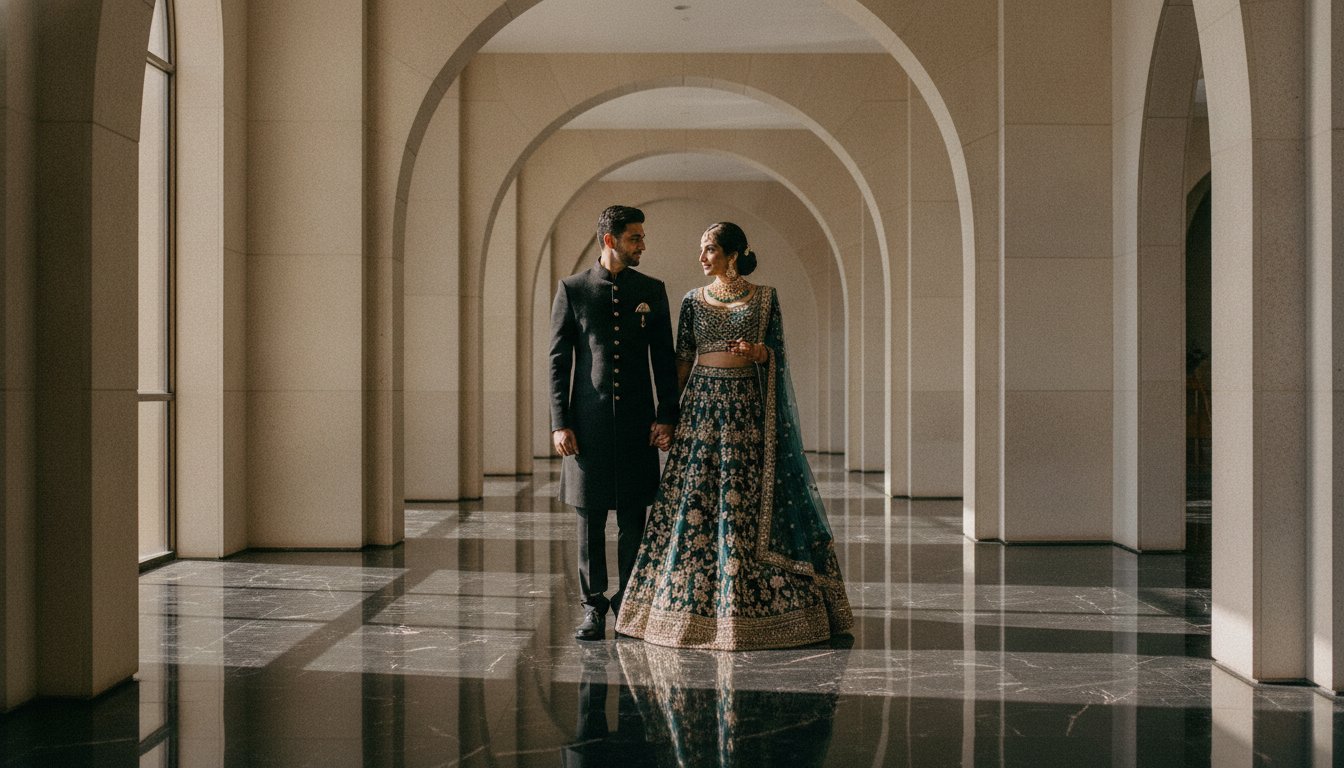
An editorial wedding photographer acts as a director of high-fashion moments. They don't just wait for things to happen; they curate the environment to ensure every shot looks intentional. This style focuses on deliberate lighting, grand compositions, and sophisticated Indian wedding couple poses. It's the best choice for couples who want their wedding to look like a feature in a high-end publication. The goal here is perfection, creating portraits that feel both regal and contemporary.
Photojournalism & Documentary: Capturing the Soul
In contrast, the documentary style is about unscripted truth. This method prioritizes candid emotions over technical perfection, allowing the day to breathe. It’s essential for capturing the authentic chaos of the Baraat or the quiet, tearful intimacy of the Vidai. We've seen a fascinating evolution of South Asian wedding photography where the desire for "real" moments now competes with the need for polished social media content. A true professional documents these fast-moving rituals without interfering in the sacred flow, preserving the soul of the ceremony as it actually happened.
Fine Art Photography: The Aesthetic of Elegance
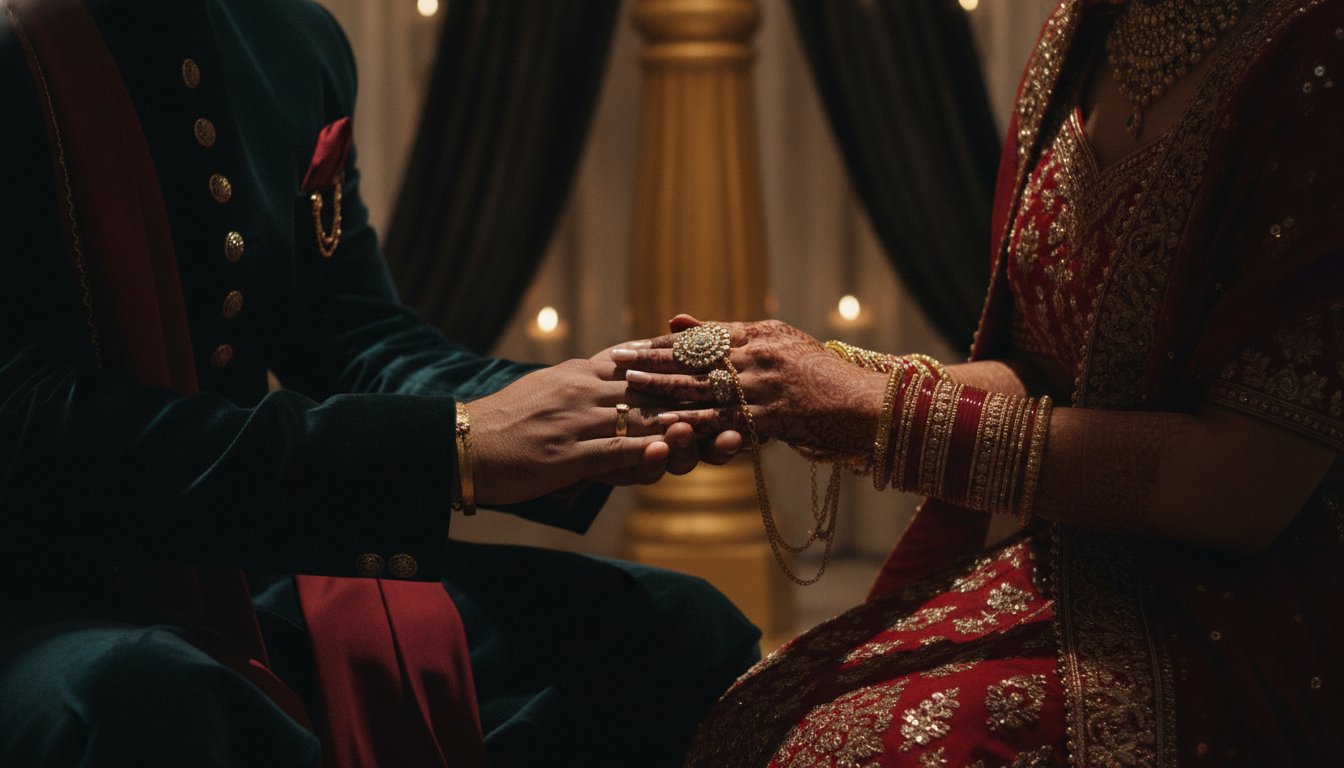
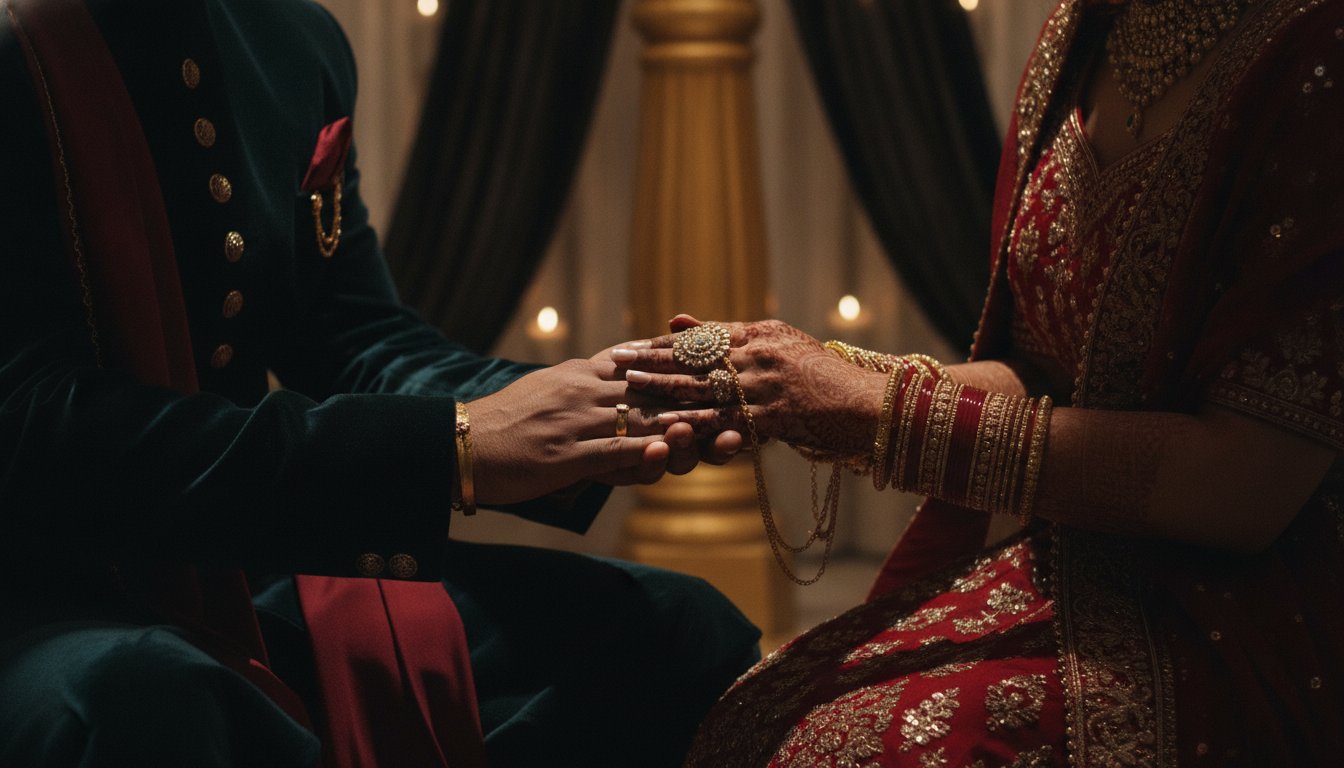
Fine Art is characterized by soft lighting, painterly compositions, and a focus on intricate details. This style excels at capturing the delicate textures of henna, the weight of a heavy silk dupatta, and the sparkle of bridal jewelry. It elevates the standard checklist for magazine-worthy wedding photos by focusing on the "feel" of the details. If you're planning a luxury wedding, you need a team that understands how to blend these three philosophies into one cohesive gallery that honors both the grandeur and the intimacy of your heritage.
The Aesthetic Layer: Editing Styles and Color Theory
While shooting philosophies determine how a photographer moves through your event, the editing style determines the emotional temperature of the final gallery. It's the aesthetic layer that transforms raw, technical data into a cohesive visual mood. When exploring South Asian wedding photography styles, you'll find that the post-production process is where the "look" of your multi-day celebration is solidified. This process involves meticulous color grading to ensure that your Sangeet photos feel as electric as the night itself, while your morning ceremony images retain a soft, ethereal quality.
A "Light and Airy" style is often favored for outdoor morning ceremonies, such as an Anand Karaj or a garden Mandap. This look relies on pastel tones and whimsical vibes, creating a sense of timeless romance. Conversely, "Dark and Moody" editing is gaining traction for evening receptions. It leans into cinematic drama and rich contrast, making it ideal for grand ballroom settings with complex, moody lighting. However, for many luxury celebrations, a "True-to-Color" approach remains the gold standard. This style ensures that the high-saturation environment of a South Asian wedding is captured exactly as you remember it, without filters distorting the reality of the day.
Preserving Cultural Tones: Red, Gold, and Saffron
One of the most significant challenges in modern editing is the preservation of cultural color palettes. Standard "Light and Airy" filters often wash out the intricate gold detailing in a Saree or Sherwani, turning deep, regal reds into muted oranges. This loss of detail can be heartbreaking for a bride who spent months sourcing a specific heirloom shade. Looking at an academic perspective on wedding documentation highlights how these aesthetic choices act as more than just pretty pictures; they are historical records of family heritage. Skin tone accuracy is equally critical. When you're surrounded by vibrant pinks, oranges, and greens, the light bouncing off the decor can cast unnatural tints on the skin. A professional editor must manually correct these casts to ensure everyone looks their best against the high-energy backgrounds.
The Resurgence of Film: 35mm and Medium Format in 2026
We're seeing a massive resurgence of film in the 2026 luxury market. There's a nostalgic appeal to the organic grain and unpredictable light leaks of 35mm film that digital sensors can't perfectly replicate. For many, this represents the ultimate "soulful" style. If you want the reliability of modern tech with the aesthetic of the past, digital "Film Emulation" is the answer. It provides the specific color response of classic film stocks while allowing the photographer to capture thousands of frames. Another growing trend is the use of "blurred" motion shots. These intentional, low-shutter-speed images capture the kinetic energy of the Baraat or a crowded reception dance floor, adding a sense of movement and life that static shots often miss.
Mapping Style to Scale: Multi-Day Logistics and Venues
Choosing between various South Asian wedding photography styles becomes increasingly complex when you're managing a three-to-five-day itinerary. A luxury celebration isn't a static event; it's a series of evolving environments, from sun-drenched garden ceremonies to grand ballrooms with dramatic, artificial lighting. Your style choice must be practical. A "Light and Airy" aesthetic that looks stunning during an outdoor Mehndi may struggle to translate in a dimly lit reception hall without significant technical intervention. Lighting dictates everything. Success depends on selecting a team that understands how venue architecture and time of day influence the final visual output.
Beyond the environment, your personality should drive the logistics. If you're a couple that feels stiff under direction, a heavy Editorial approach for every event might lead to burnout by day three. Conversely, if you want every moment to look like a high-fashion campaign, relying solely on Documentary coverage will leave you disappointed. The goal is to find a balance that captures your natural energy while still delivering the polished, magazine-worthy portraits that a luxury wedding demands. This synergy ensures your gallery feels like a single, continuous narrative rather than a disjointed collection of separate parties.
Style Strategy for 3-Day Wedding Coverage
A strategic approach to South Asian wedding photography styles involves assigning specific philosophies to specific events. You might choose a Documentary style for the Mehndi or Haldi to capture the raw, unscripted joy of family interactions. For the Reception, you might pivot to an Editorial approach to highlight the grandeur of your decor and the sophistication of your evening attire. The "unified thread" is maintained through consistent color theory and editing. When a single team manages the visual language for the entire weekend, they can ensure that the transition from a vibrant Sangeet to a serene morning ceremony feels intentional and cohesive.
Destination Weddings: Adapting Style to Location
Destination celebrations introduce unique variables that require an adaptable style. A Lake Como or Amalfi Coast backdrop naturally benefits from a Fine Art approach, where the soft, Mediterranean light and historic architecture become central characters in your story. In these settings, we often use wide-angle "Aerial" shots to capture the immense scale of global destination estates. Whether you're in a tropical climate or a European luxury location, the photographer must adapt to changing light conditions while preserving the integrity of your chosen aesthetic. If you're planning a multi-city celebration, our team specializes in destination wedding coverage that maintains a unified visual legacy from the first ritual to the final dance.
The Maiyan Studios Signature: A Fusion of Style and Heritage
At Maiyan Studios, we believe your wedding isn't just a photoshoot; it's a historical event. Our signature philosophy is built on a deliberate blend of Editorial precision and Documentary soul. We don't believe you should have to choose between a magazine-worthy portrait and the raw, unscripted emotion of a family ritual. By mastering both, we ensure that your gallery captures the grandeur of your venue while preserving the quiet, intimate glances that often go unnoticed. This hybrid approach has become a hallmark of modern South Asian wedding photography styles, offering a sophisticated way to document your story without sacrificing authenticity.
Central to our work is a commitment to "Heritage Preservation." While trends in editing come and go, your cultural legacy is permanent. We protect the integrity of your celebration by avoiding fleeting filters that distort the vibrant reds, deep saffrons, and intricate golds of your heritage. Our goal is to ensure that when you look at your photos in twenty years, they feel as vivid and true as the day they were taken. We don't just take pictures; we curate a visual record that honors the weight of your traditions and the unique energy of your family bond.
The Power of One Team: Merging Photo and Cinema
One of the most significant advantages of working with Maiyan Studios is the seamless synergy between our photography and our cinematography. Most luxury packages treat these as separate silos, often leading to conflicting lighting or disjointed visual styles. We've eliminated that friction. Our photography style is designed to perfectly mirror our cinematic films, creating a unified visual language across every medium. When a single team manages the style cues for your multi-day event, the result is a more powerful emotional experience. Your wedding film and your photo album won't just look similar; they'll feel like two parts of the same masterpiece.
Investing in Excellence: Your Visual Legacy
Choosing a specialist who understands the specific rhythms of a South Asian celebration is critical. From the explosive energy of the Baraat to the delicate symbolism of the Pheras, you need a team that anticipates the moment before it happens. This expertise allows us to provide comprehensive coverage that includes everything from your initial engagement sessions to the final reception exit. We invite you to view our portfolio of luxury South Asian wedding styles to see how this philosophy comes to life in real-world celebrations. We curate memories for the next fifty years, not just the next fifty likes. Your investment today is the foundation of a family legacy that will be cherished for generations to come.
Preserving Your Legacy Through Modern Artistry
Your wedding is the start of a permanent family archive. Choosing the right South Asian wedding photography styles is about more than just matching a Pinterest board; it's about ensuring your heritage is captured with both technical precision and emotional depth. You now have the vocabulary to ensure your vibrant cultural colors remain true to life across every ritual of your multi-day celebration. From the high-energy chaos of the Baraat to the quiet, tearful moments of the Vidai, your visual story should feel like a single, cohesive masterpiece.
As specialists in luxury South Asian celebrations and global destination wedding experts, we understand the nuances of your traditions. Our award-winning cinematic storytelling team works in perfect harmony to create a unified gallery that honors your past while celebrating your future. Don't leave your history to chance. Document Your Legacy with Maiyan Studios-Explore Our Luxury Collections. Your celebration is a once-in-a-lifetime event, and it deserves to be preserved with the excellence it represents.
Frequently Asked Questions
What is the most popular wedding photography style for 2026?
Cinematic storytelling is the leading trend for 2026, as couples move toward narrative-driven visuals that feel like a professional film. This approach blends choreographed, high-fashion shots with authentic, unscripted moments to create a cohesive story across several days of celebration. It's often paired with drone footage and high-end production values to capture the immense scale of luxury events.
Which photography style is best for a colorful Indian wedding?
A True-to-Color or Bold and Vibrant style is best for colorful Indian weddings to ensure that the rich reds, golds, and jewel tones are preserved accurately. These styles avoid heavy filters that might wash out the saturation of a Sangeet or a traditional bridal lehenga. This ensures your gallery reflects the actual vibrancy of your decor and attire rather than following a muted, desaturated trend.
Can I mix editorial and documentary styles for my wedding?
You can absolutely mix editorial and documentary styles to get the best of both worlds during your celebration. Many high-end South Asian wedding photography styles rely on this hybrid approach, using editorial techniques for formal portraits and a documentary lens for unscripted rituals like the Baraat or Vidai. This strategy ensures you have magazine-worthy art without missing the raw emotional moments that happen naturally.
How does "Light and Airy" editing affect South Asian skin tones?
"Light and Airy" editing can sometimes wash out South Asian skin tones by overexposing the highlights and reducing the richness of the shadows. This style often struggles with the high-saturation environments of traditional ceremonies, potentially turning deep skin tones ashy or pale. It's important to choose an editor who understands color theory specifically for diverse complexions to maintain a natural, healthy glow in every photo.
What is the difference between photojournalism and candid photography?
Photojournalism is a disciplined narrative approach that focuses on telling a complete story through unposed images, whereas candid photography simply refers to any shot where the subject isn't looking at the camera. A photojournalist looks for layers, context, and emotional arcs during a ceremony to document the event's soul. Candid shots are often individual moments of joy or laughter that occur throughout the day without formal direction.
Why is editorial photography often more expensive than traditional styles?
Editorial photography is often more expensive because it requires a higher level of technical production, including specialized lighting equipment and meticulous post-processing. The photographer acts as a creative director, spending more time on composition and high-fashion posing to achieve a polished, artistic look. This investment covers the additional planning and expertise needed to transform a standard wedding portrait into a piece of fine art.
Should my photography style match my wedding cinematography?
Your photography style should ideally match your wedding cinematography to create a seamless visual experience for your family legacy. When both teams share the same color palette and storytelling philosophy, your final film and photo gallery will feel like a single, unified story. This prevents a jarring contrast where the photos look light and whimsical while the film feels dark and moody.
How do I know if a photographer’s style will suit my venue?
You can determine if a style suits your venue by reviewing the photographer's portfolio for events held in similar lighting conditions. If you're hosting a grand ballroom reception, look for their work in indoor settings with complex artificial lighting. Evaluating how they handle different South Asian wedding photography styles in varied environments will tell you if they have the technical equipment to handle the shadows of a luxury venue.
Comments